Table of Contents
"Exactly how are you?" The response to this inquiry is in some cases a lot more complicated than the individual asking might recognize. You could blurt out a fast, "Fine, thanks!" also when you understand you're not. AdvertisementCleveland Clinic is a non-profit academic medical. Marketing on our site helps support our objective. We do not back non-Cleveland Facility products or services.
And while that makes these problems appear really various, they are a lot more intertwined than they may appear. And they generally happen with each other. Psychiatrist Karen Jacobs, DO, offers us an introduction of what stress and anxiety and clinical depression are, how they show up in different ways, just how they can be related and just how to discriminate between the two.
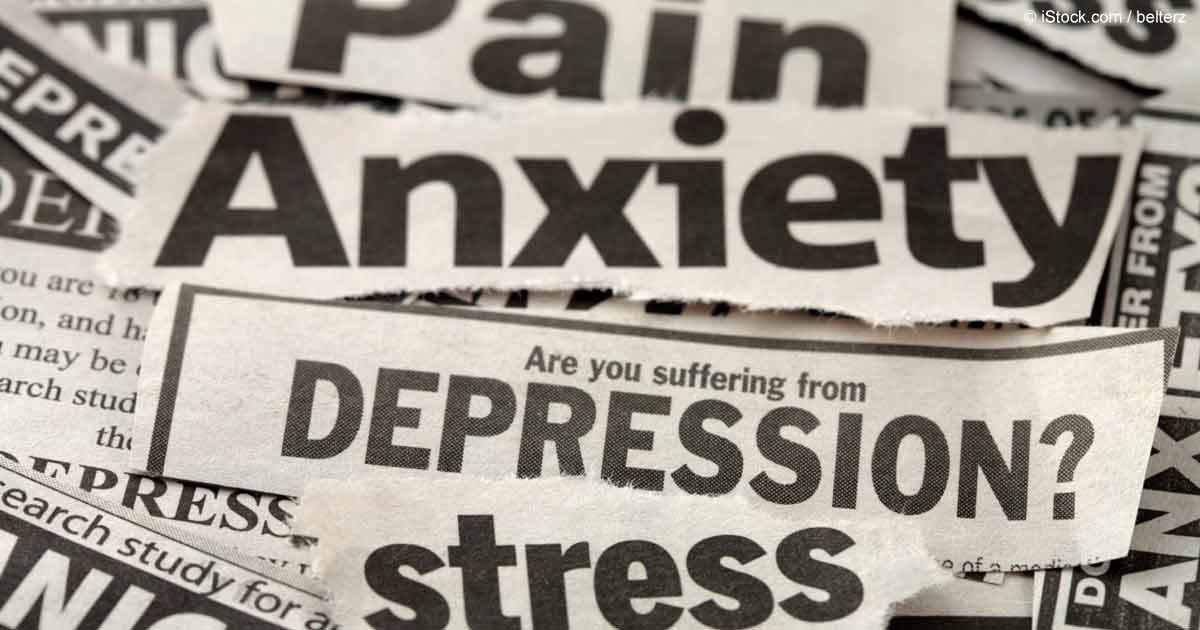
Stressing over scenarios or results. Indecision. Concern. Lack of ability to relax. Feelings of uneasyness. Problem focusing or physical frustration. Additionally, there's a plethora of physical signs that can occur with stress and anxiety, including: Muscular tissue stress. Chest tightness. Feeling easily exhausted or exhausted. Heart palpitations. Shortness of breath. An extended state of stress and anxiety, which frequently causes your fight-or-flight action, can have significant consequences on your health.
Addressing Protector Parts via Internal Family Systems
Jacobs claims it's so crucial to seek therapy if you're experiencing these symptoms. A depression diagnosis goes much past simply having the blues.
Characteristic signs of clinical depression include: Feelings of despair and pessimism. Really feeling like tiny jobs take extra initiative. Anxiety and anxiety are both usual mental health disorders that can impact your ability to go regarding your daily tasks and live your life completely.
Processing Conflicting Parts in the Framework of Parts Work
Both stress and anxiety and clinical depression can create: Gastrointestinal problems. Changes in cravings or weight. Difficulty resting. Trouble concentrating. Irritability and restlessness. If you're experiencing any of these symptoms, it is essential to allow a medical care carrier recognize. If you're experiencing modifications in your mood and you're attempting to iron out whether it may be clinical depression or anxiousness or both take note of your power degree and your mindset towards the future.

Anxiousness can trigger you to really feel high-strung and energized, typically fueled by competing ideas and concern. An additional big difference between stress and anxiety and depression also is available in the treatment of each condition. It is very important to talk to your specialist, psychiatrist or doctor to see to it you're getting the best treatment.
Integrative Support for Managing Traumatic Experiences
We're attempting to figure out which one took place first, and after that if one triggered the other," discusses Dr.
Your Guide to Emotional Health With Expert Guidance
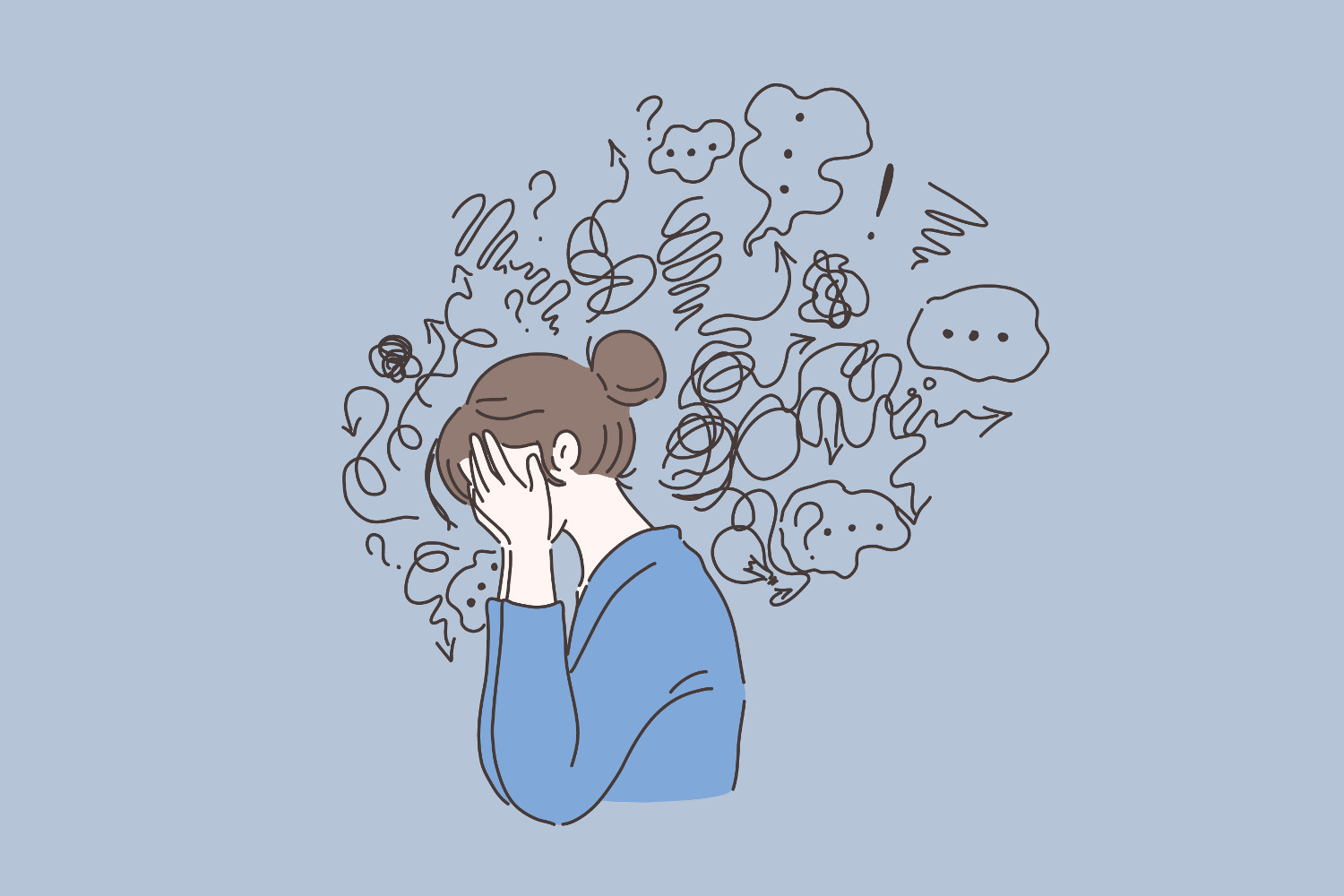
When this happens, you can also be at greater risk better danger. In this situation, extensive therapy can be very practical for managing depression come with by nervous distress, so it's crucial to reach out for aid. Whether they happen together or independently, clinical depression and anxiety are both treatable.
Anxiousness conditions typically go hand in hand with anxiety. Anxiousness and anxiety are commonly referred to togetherWith each other but they are not the same. If you fall right into any of the categories gone over listed below, you may be more prone to anxiety or depression(or both)contrasted to others: Women are much more likely to be detected with stress and anxiety conditions compared to men.

Navigation
Latest Posts
Power of Safe Environments in Mental Health Care for All Clients
Termination of Psychodynamic Therapy for Healthy Closure
Family Therapy in Anxiety Recovery